{{nw.date}}
{{nw.title}}
{{nw.body}}
At the Akinrinade SPAN Lab, we study how the brain reads social signals, how stress changes our interactions, and how supportive experiences can help restore social connection.





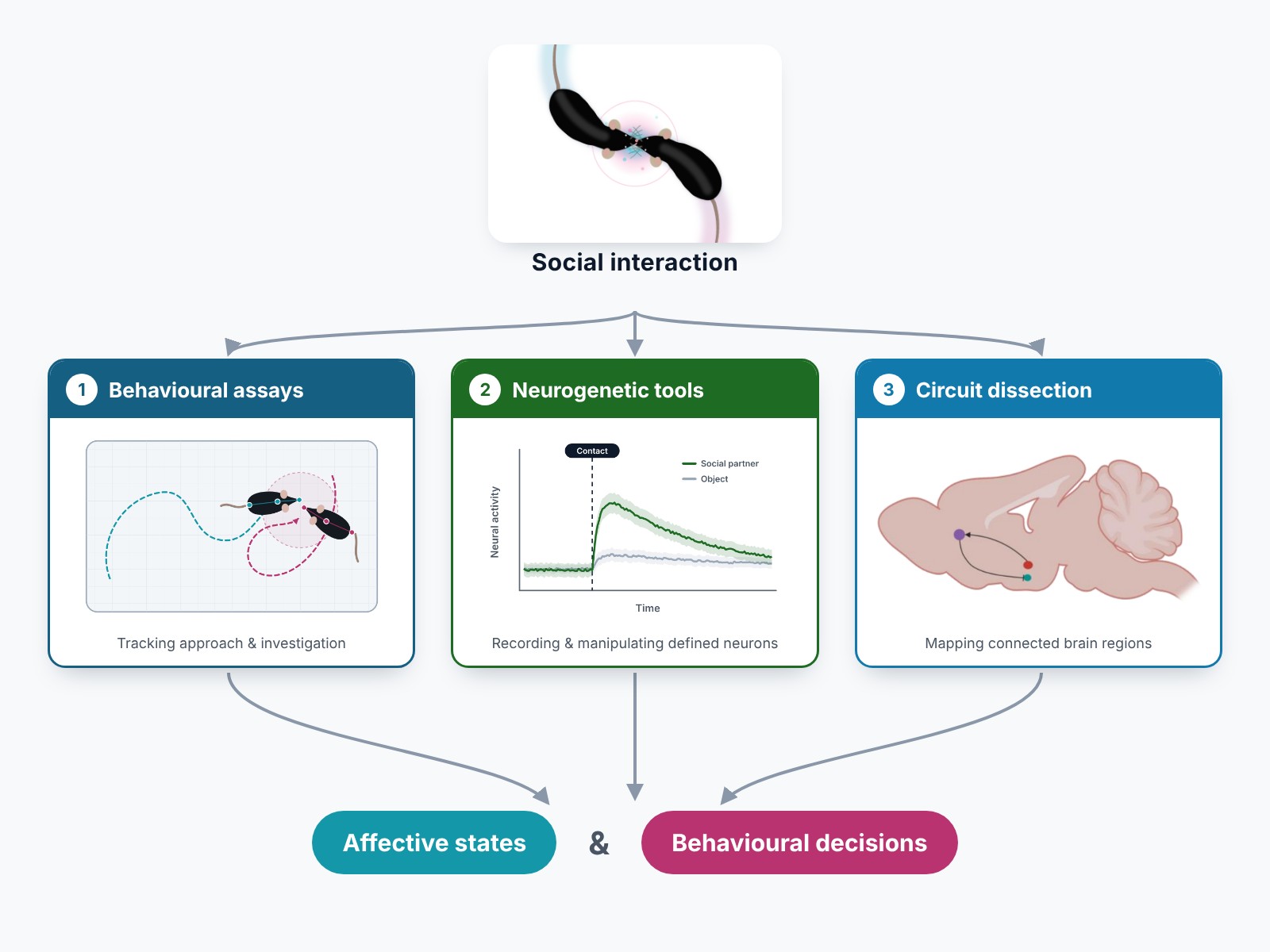
“The long-term goal of my research program is to understand how social interactions shape affective states and behavioural decisions.”
Using mouse models, we combine automated behavioural tracking, real-time brain imaging, and precise genetic and pharmacological tools to uncover how the brain shapes social behaviour.
Dr. Ibukun Akinrinade, Principal Investigator
We are recruiting graduate students for Fall 2027!
Curious about how social experiences shape the brain? Tell us about your interests.
We study how the brain reads social signals, how stress changes our interactions, and how supportive experiences can help restore social connection. Choose a research area to learn more.
{{area.blurb}}
{{area.about1}}
{{area.about2}}
One question drives our work: how do social experiences influence behaviour? Working in mice, we tackle it with three complementary approaches.
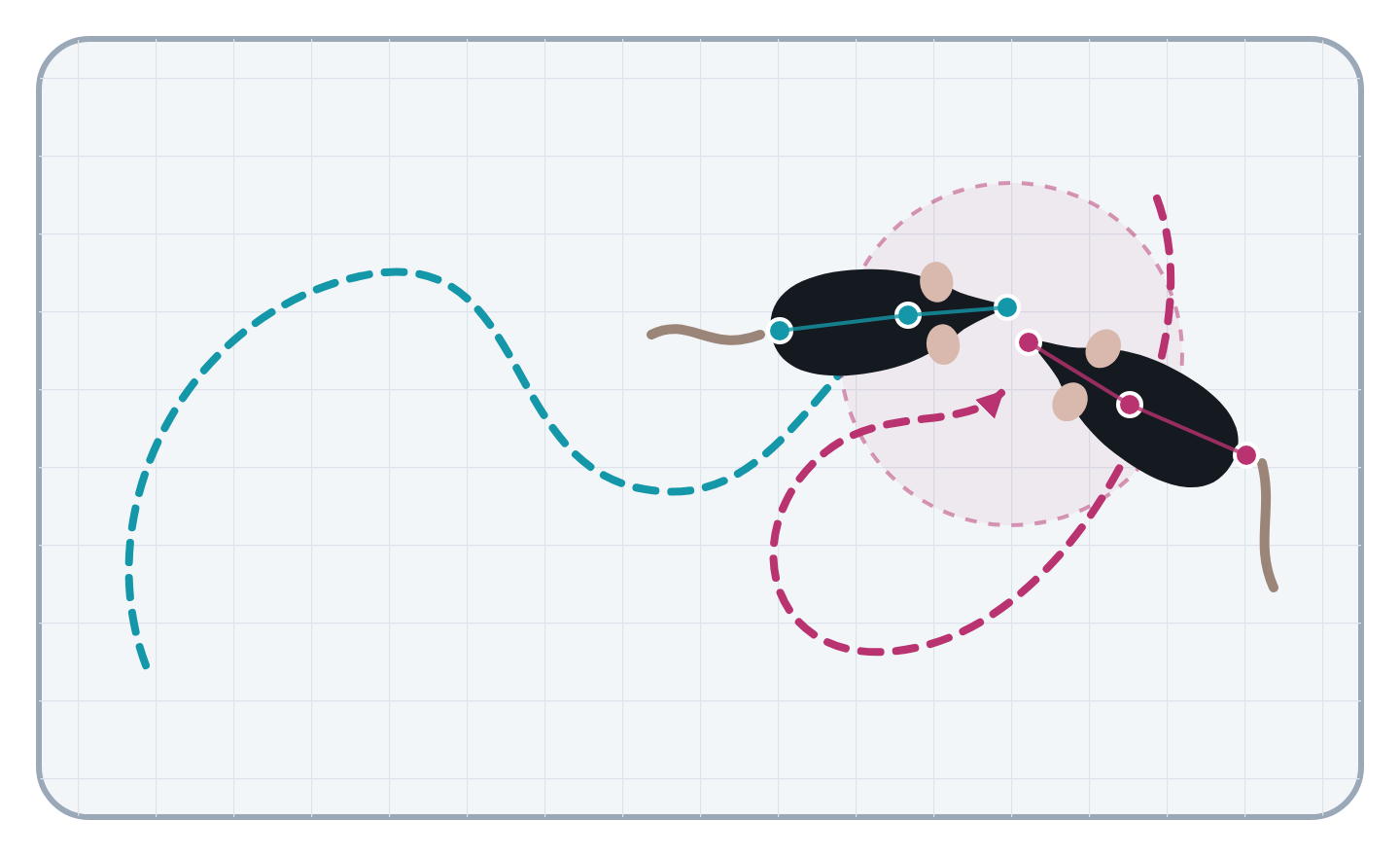
Automated tracking of how mice approach, investigate and respond to one another during social interactions.
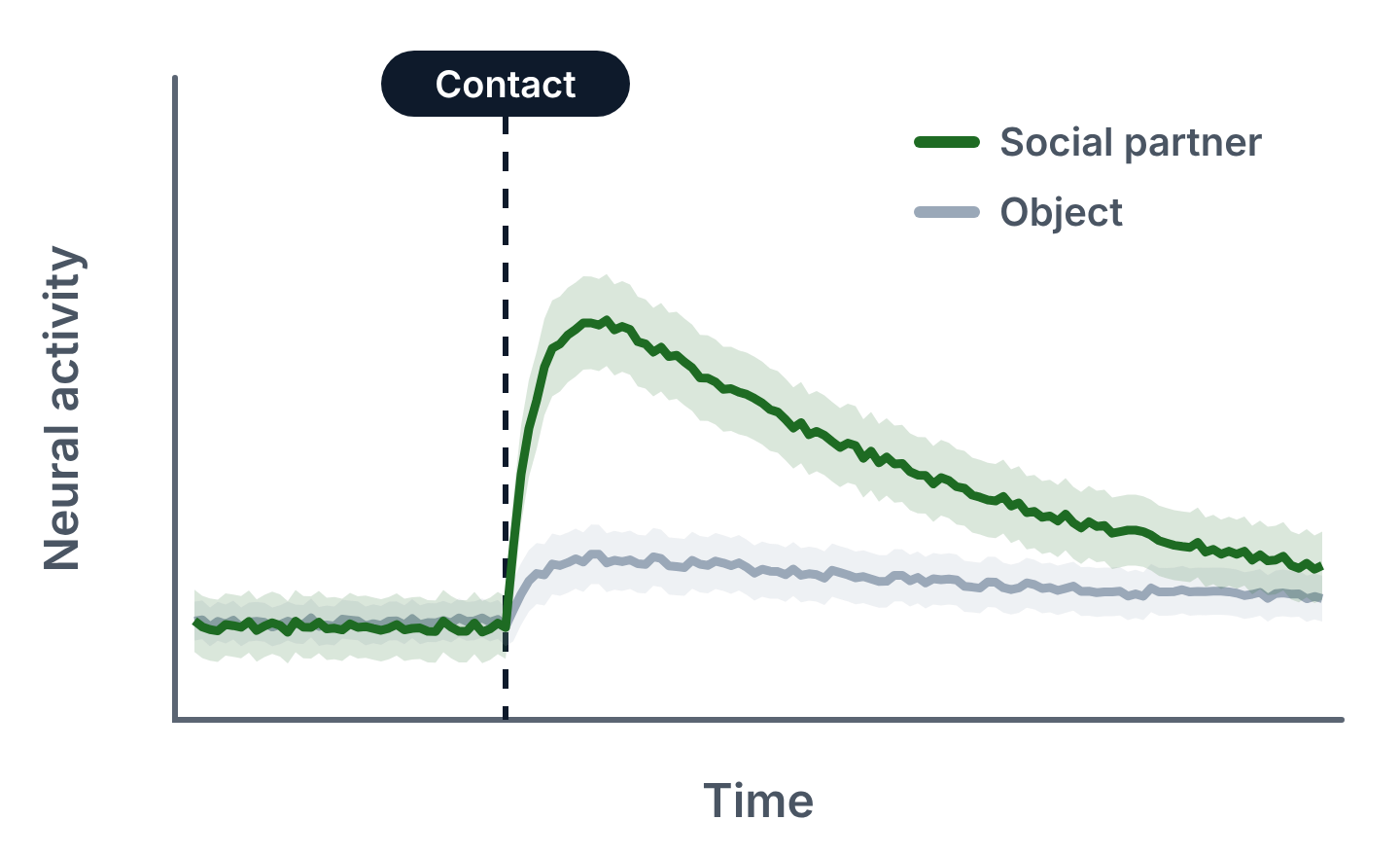
Real-time brain imaging with precise genetic and pharmacological tools to record and manipulate defined neurons.
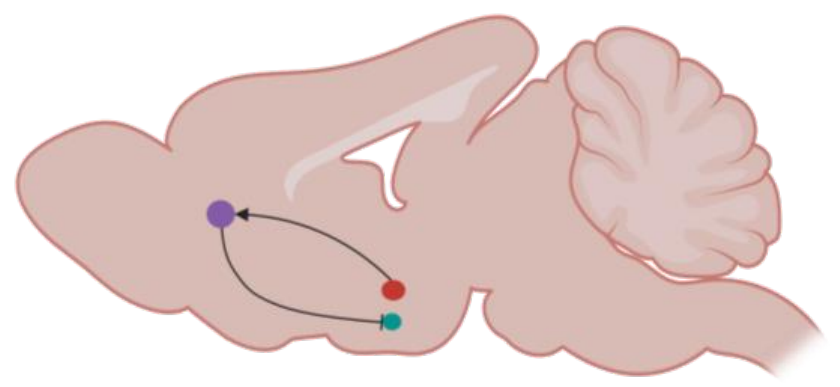
Mapping how connected brain regions work together to evaluate social signals and guide behaviour.
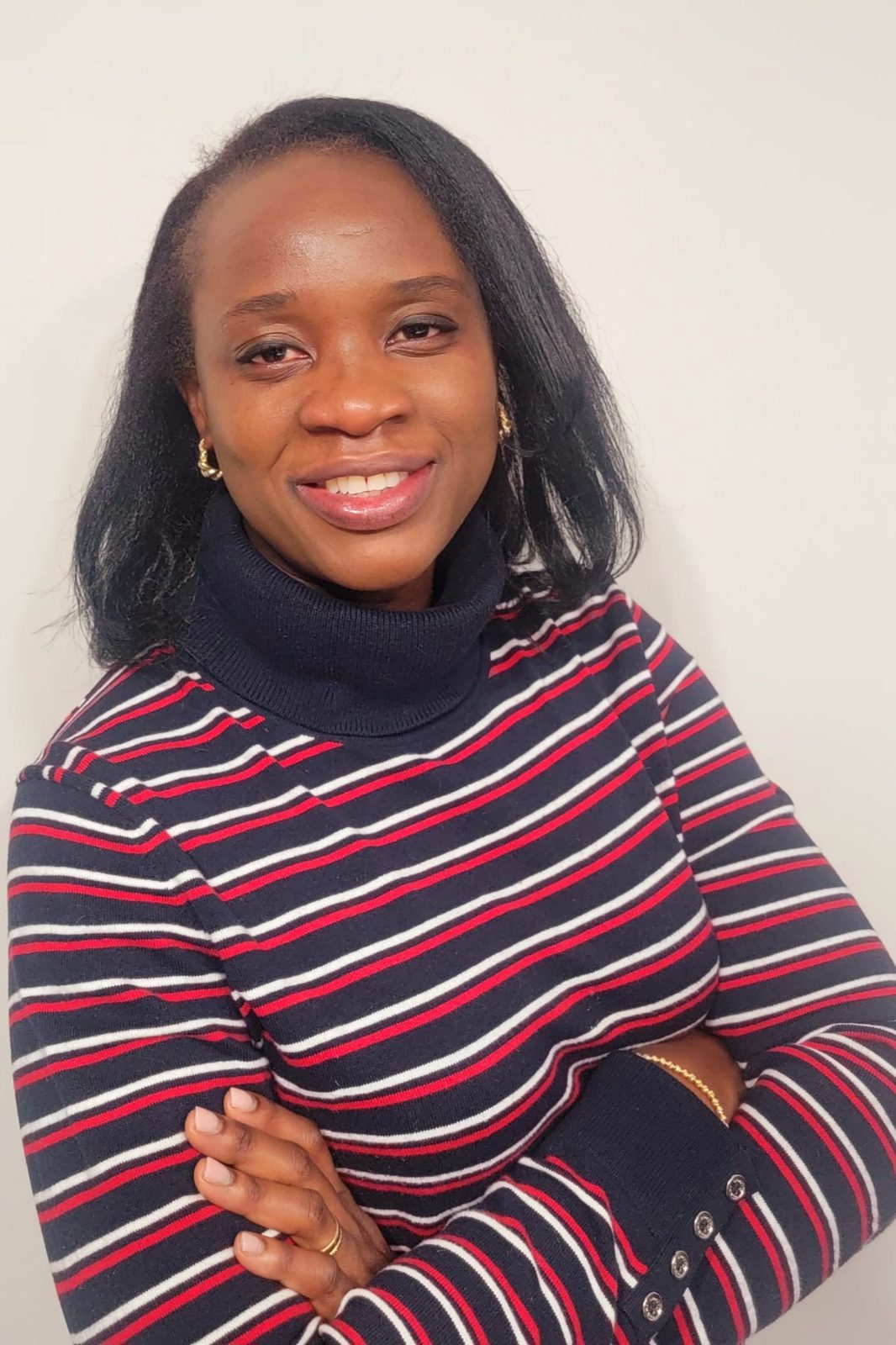
Her research asks how the brain uses social information to guide behaviour, how stressful experiences influence interactions, and how supportive relationships promote resilience. Her doctoral work on oxytocin and social fear contagion in zebrafish led to a first-author publication in Science in 2023. As a postdoctoral fellow, she investigated how corticotropin-releasing hormone neurons in the hypothalamic paraventricular nucleus (CRHPVN neurons) coordinate social investigation in mice. She found that these neurons produce a brief burst of activity just before a mouse investigates another, largest when meeting unfamiliar mice, and that briefly silencing this signal causes lasting reductions in social investigation. She is a recipient of the CIHR Research Excellence, Diversity, and Independence (REDI) Early Career Transition Award.
She earned her Ph.D. in Integrative Biology and Biomedicine through the Gulbenkian Institute of Science (now known as the Gulbenkian Institute for Molecular Medicine) and Universidade NOVA de Lisboa, Portugal, followed by postdoctoral research with Dr. Jaideep Bains and Dr. Matthew Hill at the University of Calgary.
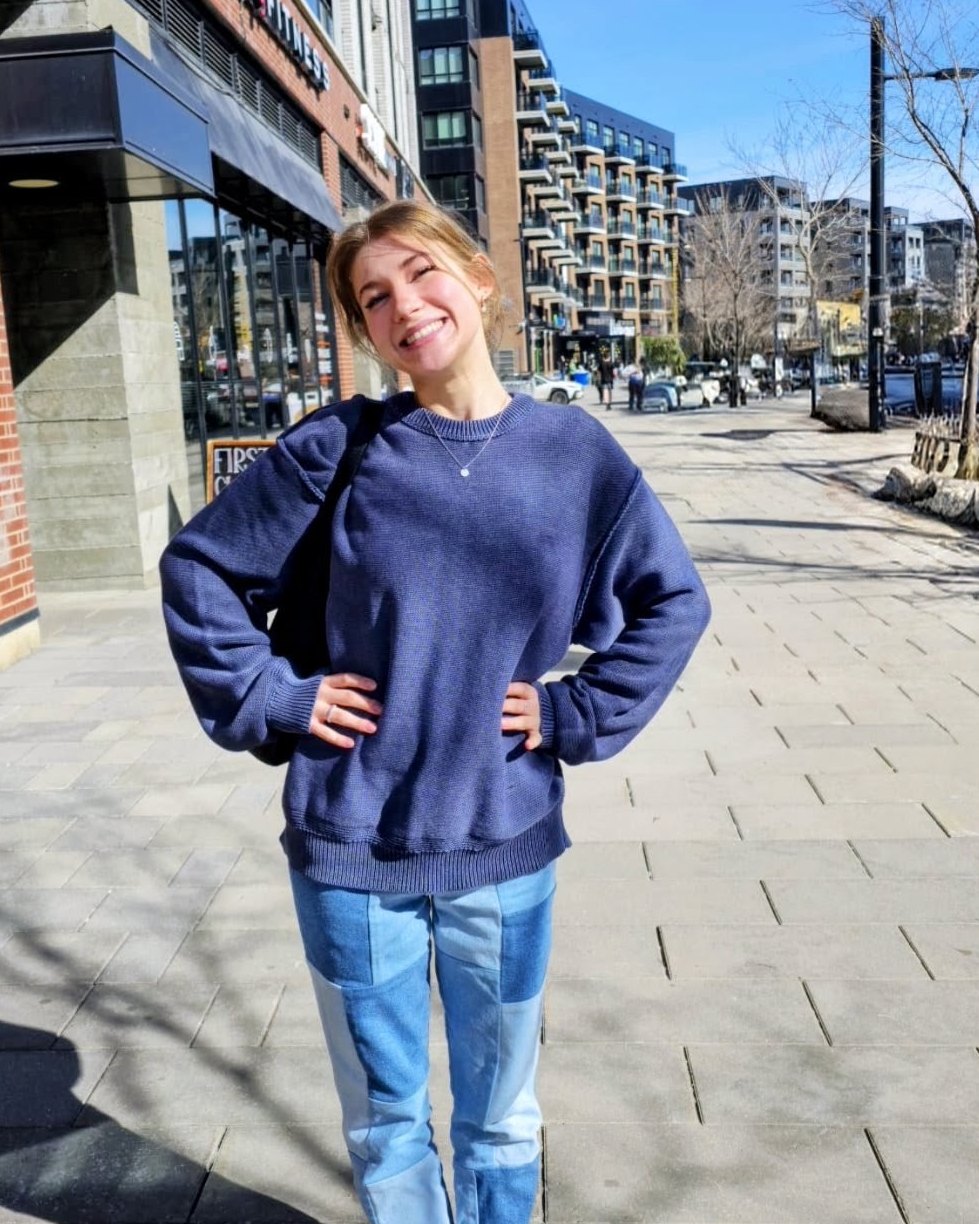
Why do we move toward some individuals and steer clear of others? Toni is exploring that question as a neuroscience master’s student in the SPAN Lab, investigating how oxytocin shapes social approach and avoidance.
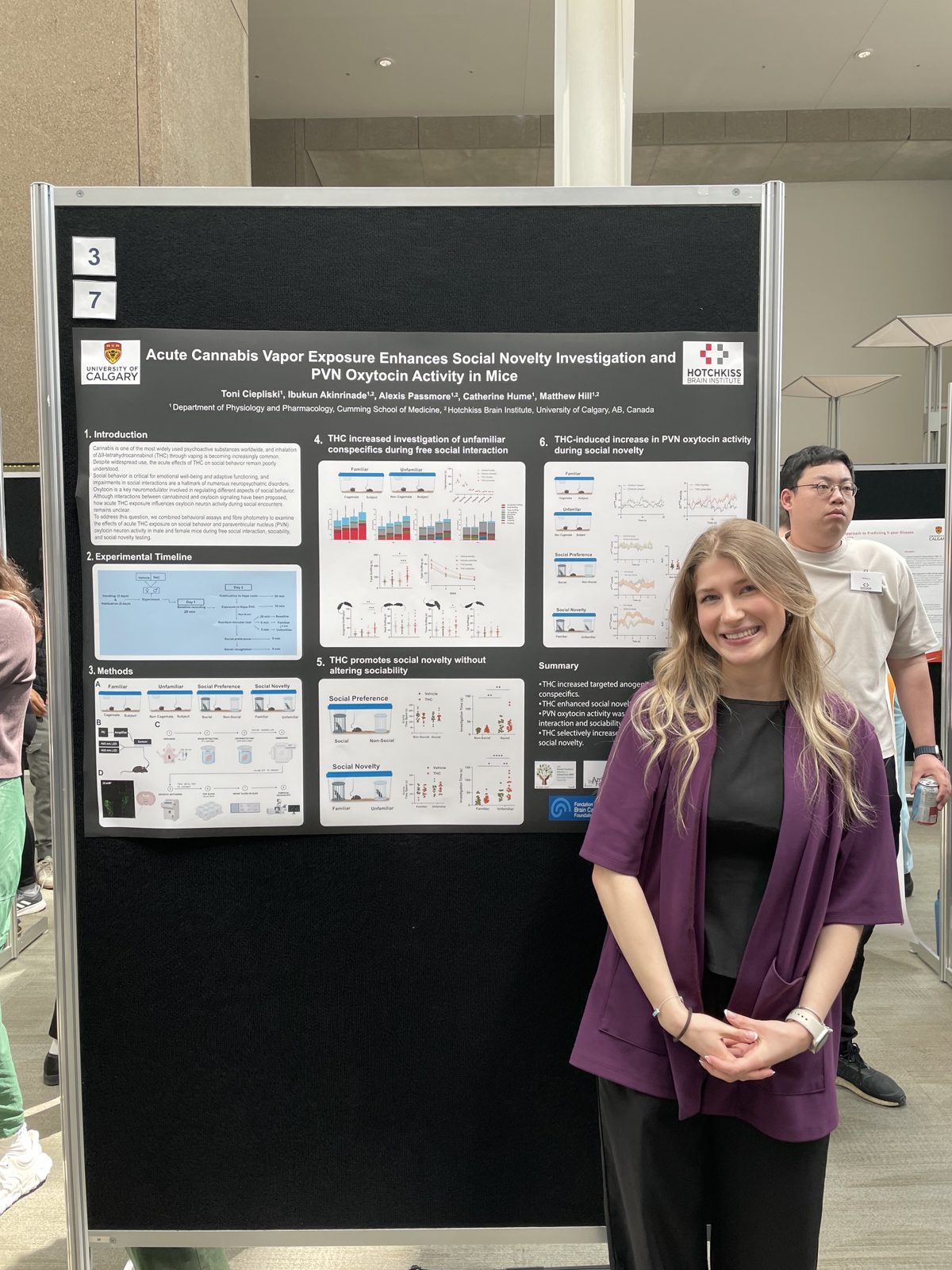
Her journey with the lab began in 2025, when she joined Dr. Ibukun Akinrinade, in collaboration with the Hill Lab, for her honours thesis on how acute cannabis vapour exposure affects social interaction in mice. She graduated from the University of Calgary with an Honours Bachelor of Health Sciences in Biomedical Sciences.
Away from the bench, you will find Toni curled up with a good book, out on her bike, teaching piano, or napping with her dogs.

Savpreet is a fourth-year Biological Sciences student at the University of Calgary. Through her undergraduate studies, she developed a strong interest in neuroscience, particularly in understanding how the brain influences behaviour, emotions and social interactions.
She hopes to pursue a master’s degree in neuroscience and is excited to gain research experience as part of the SPAN Lab.
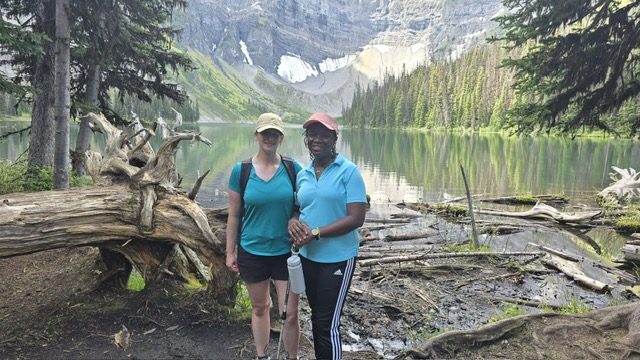
Outside of academics, Savpreet enjoys hiking, exploring new trails, and spending time with her family, friends and her kitten, Chiku!
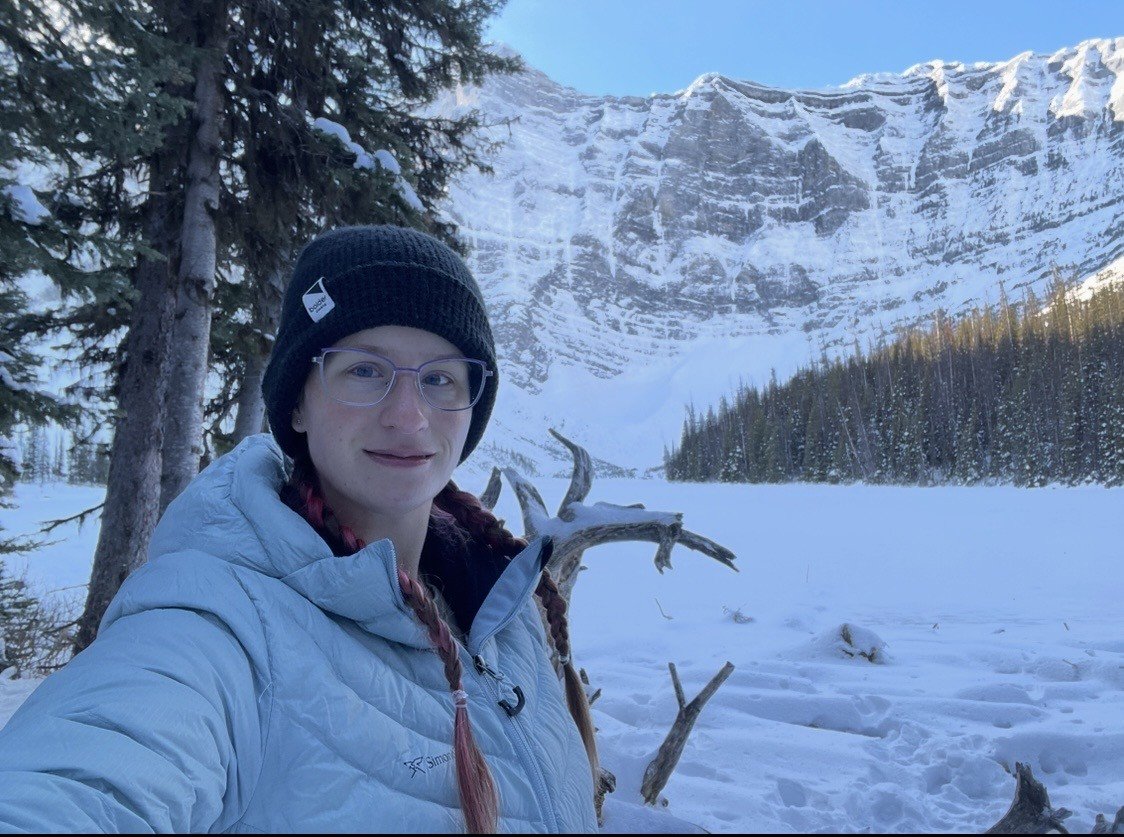
Alexis keeps the lab running smoothly. Her work spans animal handling, running experiments and surgeries, and bench skills such as histology of preserved tissue.
She trained as a Veterinary Technologist and is a Registered Laboratory Animal Technician. She began as a Husbandry Technician in the University of Calgary animal facility in 2019 and moved into a Research Technician role in Dr. Jaideep Bains’ lab in 2022, before joining the SPAN Lab.
Outside the lab, she enjoys bouldering, hiking, reading and baking.
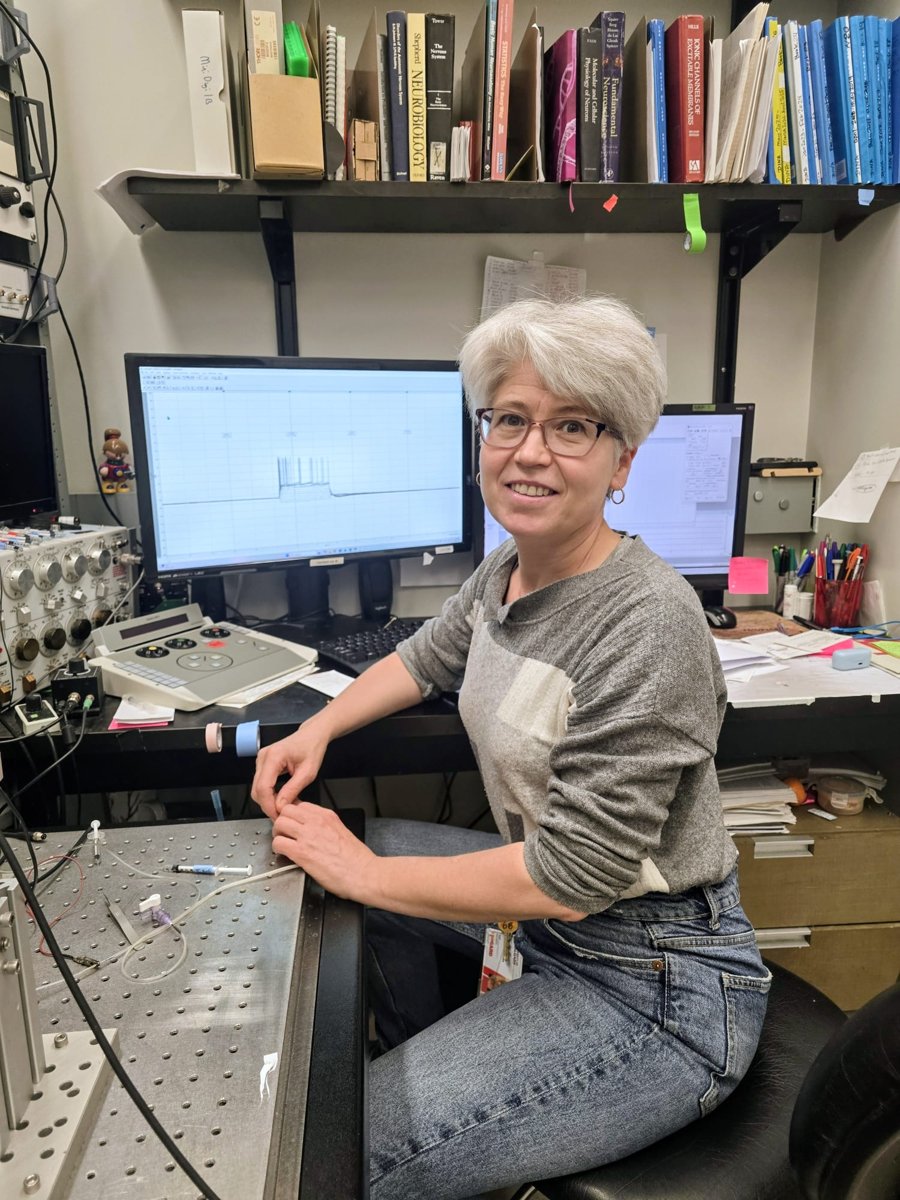
Dina is a research associate in the lab and a synaptic physiologist extraordinaire. Trained as a medical doctor, she brings more than two decades of electrophysiology experience to the SPAN Lab.
In the SPAN Lab, Dina applies her expertise in synaptic physiology to our questions of how social experiences and stress shape brain circuits and behaviour. Alongside conducting experiments, she plays a pivotal role in training the next generation of patch-clamp aficionados as the lab grows. Over her career, she has made key contributions to research on how synapses adapt with experience, how stress reshapes brain circuits, and how social interactions influence the brain.
Dina’s steady hands are not just for patch clamping: off the rig, she is usually knitting or sewing something new. When she is not crafting, you will find her hiking mountain trails in summer, skiing the slopes in winter, or lost in a good book.
Publications on PubMed ↗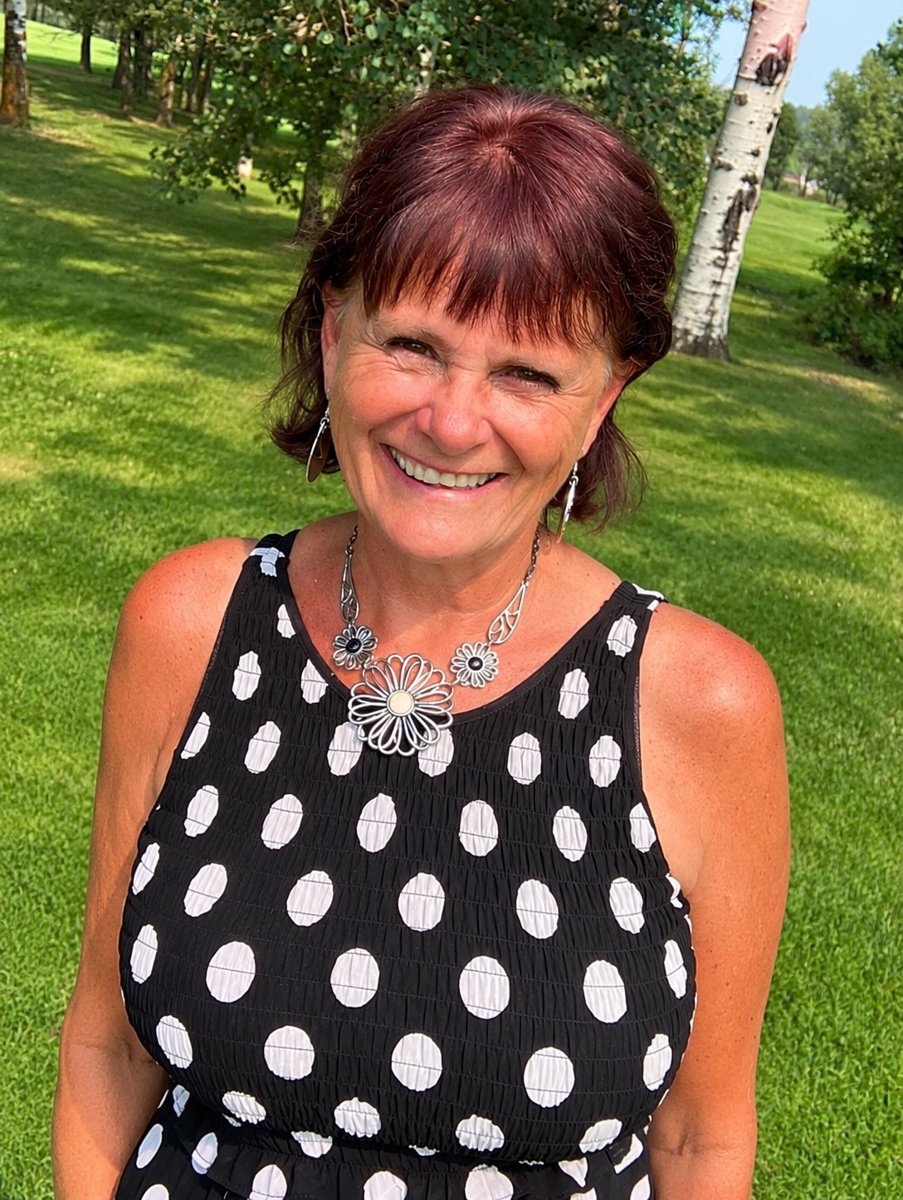
Cheryl brings over 30 years of experience at the University of Calgary and extensive hands-on expertise in laboratory operations and management. Over her career she has worked as both a Laboratory Technician and, more recently, a Laboratory Manager, building a deep understanding of laboratory procedures, organization and regulatory requirements.
In the SPAN Lab, Cheryl supports our day-to-day operations: purchasing and ordering supplies, maintaining laboratory standards, and ensuring compliance with University of Calgary policies and Health Canada regulations. She takes pride in her attention to detail and her commitment to safe, efficient and well-managed laboratory environments.
Outside the lab, Cheryl is an avid birdwatcher who loves exploring Alberta. In fact, she is a great resource for anyone looking for the best birding spots and hidden gems across the province.
Evolutionarily conserved role of oxytocin in social fear contagion in zebrafish
Akinrinade I, Kareklas K, Teles MC, Reis TK, Gliksberg M, Petri G, Levkowitz G, Oliveira RF. Science 379(6638): 1232–1237.
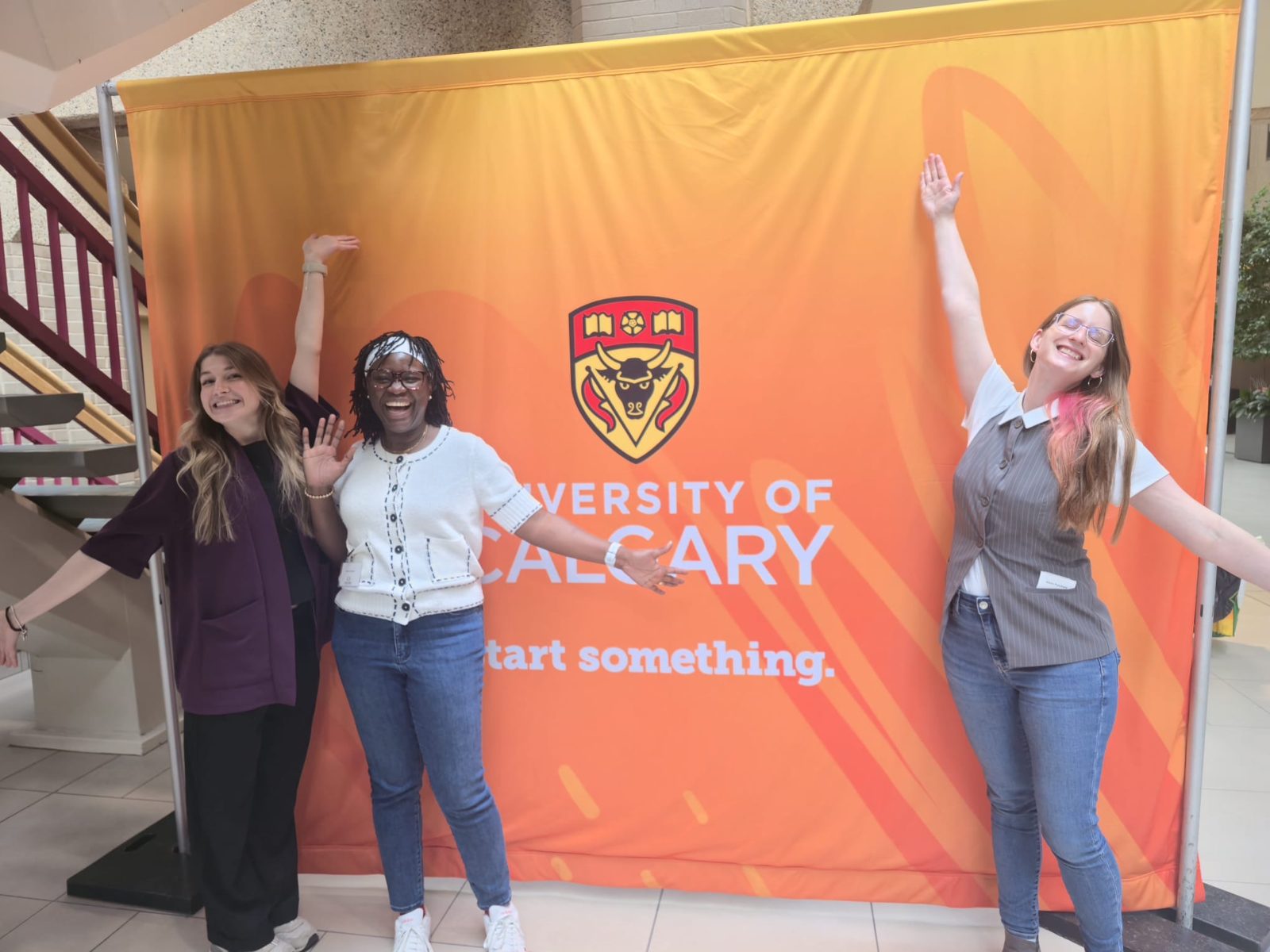
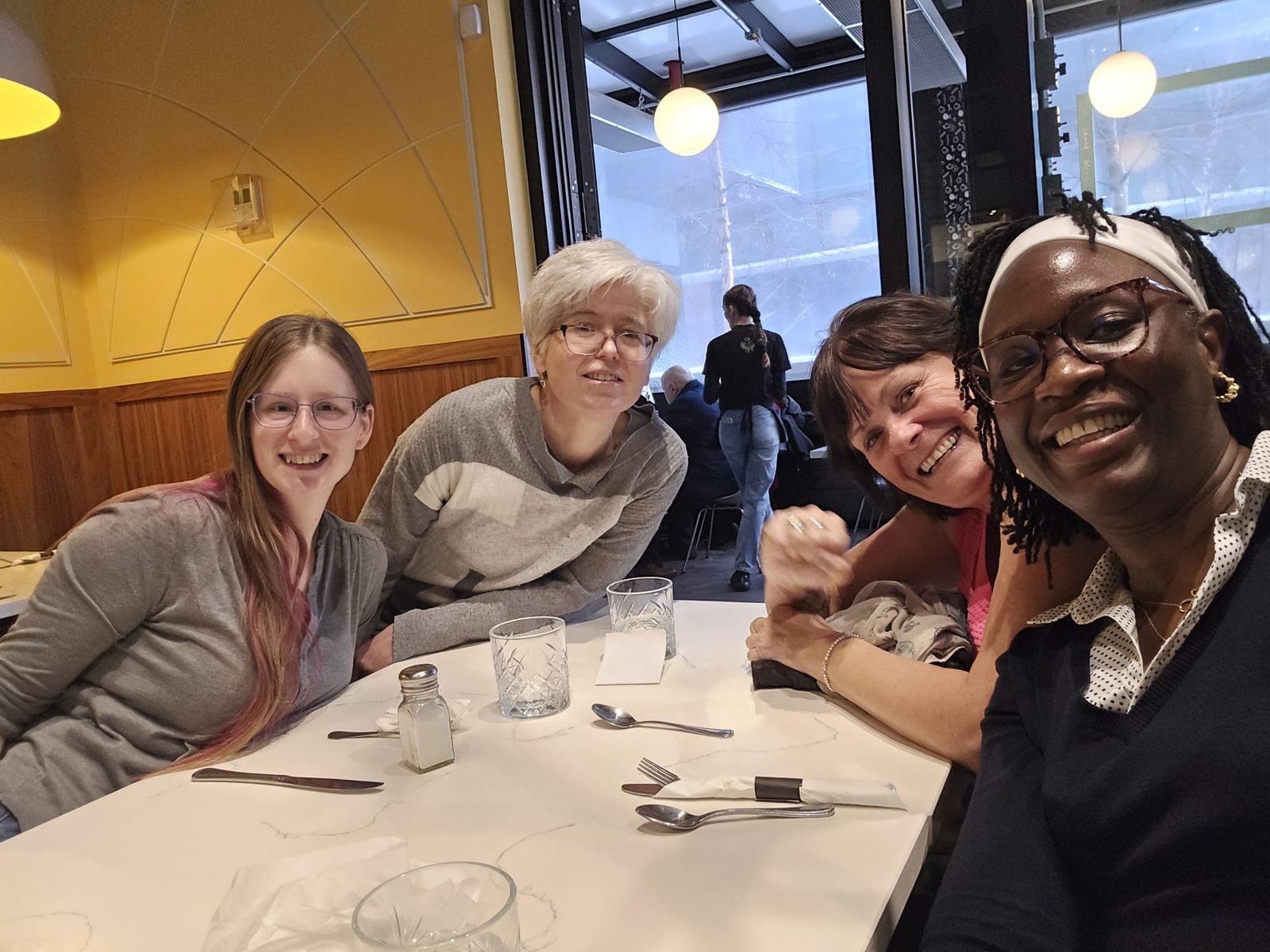
Stories from the bench and beyond: lab outings, conferences, milestones and the people behind the research.
{{post.p1}}
{{post.p2}}
{{nw.body}}
We welcome curious, reliable people who enjoy learning new skills. You are not expected to arrive with experience in every method — we value critical thinking, openness and a willingness to grow, and we support careers in academia, industry and beyond.
Curious about how social experiences shape the brain and behaviour? Send a short note about your interests and background.
Interested in social behaviour, stress or neuromodulation? Send a short note about your interests.
Keen to get hands-on research experience in neuroscience? Send a short note about your interests and availability.

The University of Calgary is one of Canada’s top five research universities. Trainees in the SPAN Lab join two world-renowned institutes, the Hotchkiss Brain Institute and the Alberta Children’s Hospital Research Institute, which offer a wealth of resources, core facilities and collaborators spanning basic and clinical research. And with the Rocky Mountains on our doorstep, there is plenty to explore beyond the lab.
Science is better when it is shared.
At the SPAN Lab, outreach is part of how we do science. We believe that curiosity about the brain belongs to everyone, and that the next great idea in neuroscience could come from anywhere. That is why we share our science with the wider community and invest in building research capacity.
From hands-on training workshops to school visits, career panels and public science events, our goal is simple: to make neuroscience accessible, inclusive and exciting, and to help open the door for the scientists of tomorrow.
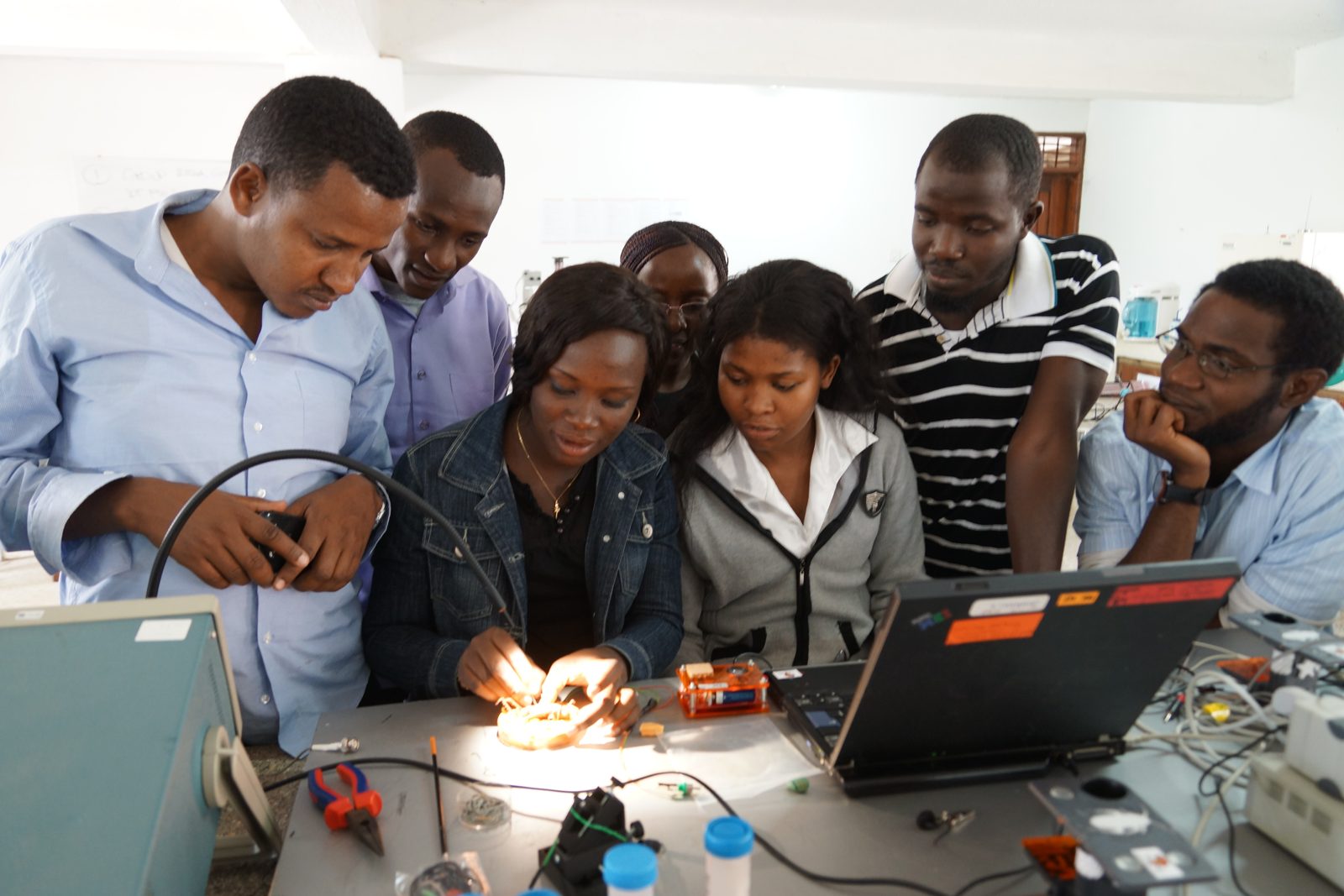
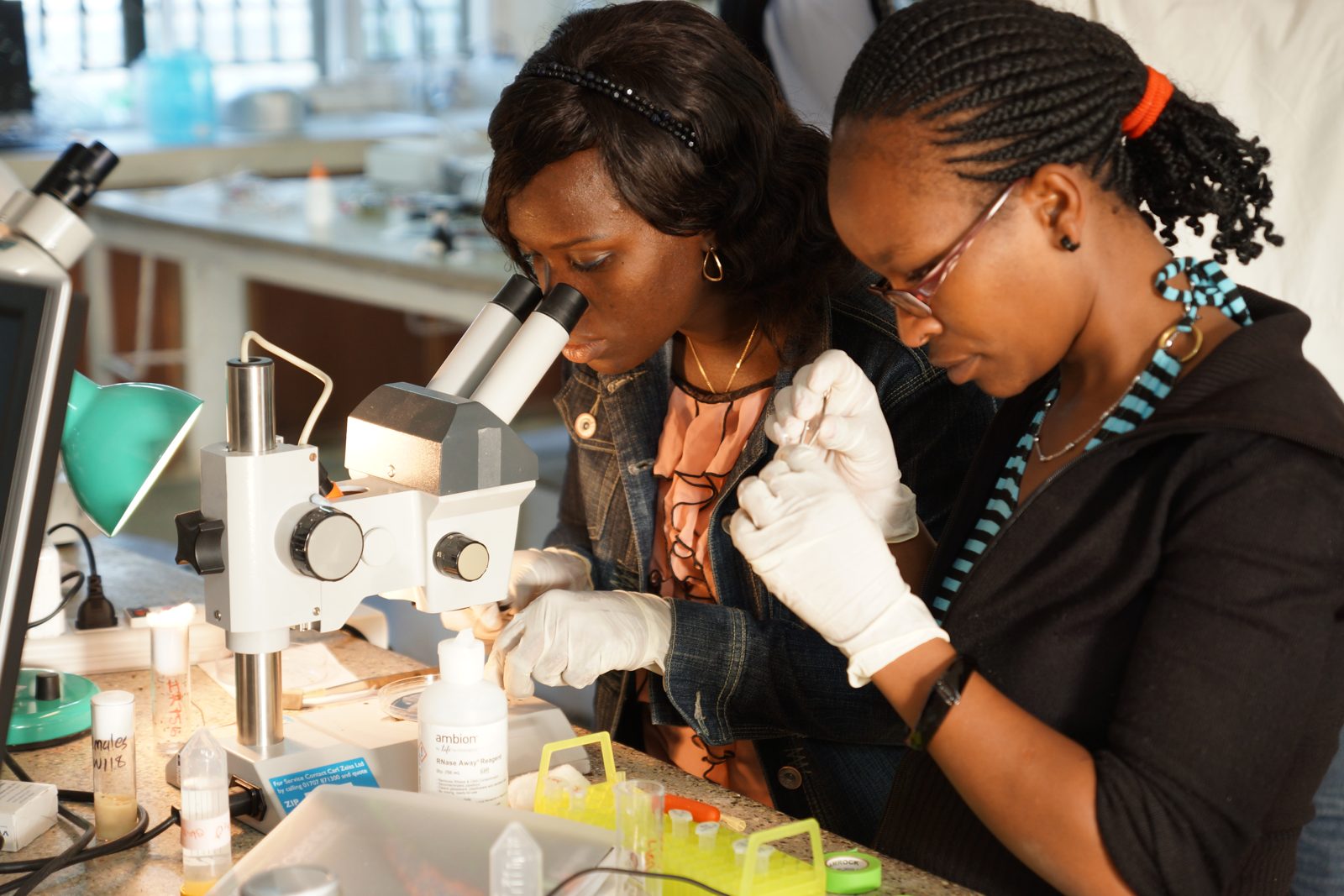
Dr. Akinrinade serves as outreach coordinator for TReND in Africa, a charity that supports scientific capacity building across the continent, and has helped organise hands-on training workshops. She co-authored studies of African neuroscience in Neuron (2020) and Nature Communications (2021).
She first joined TReND as a student from Nigeria in 2013, and in 2017 her initiative grew into TReND’s first molecular biology workshop in Nigeria, training scientists back at her home university.
Meet the TReND in Africa team ↗Dr. Akinrinade serves on the Board of Directors of the ALBA Network, a global community of neuroscientists working toward diversity and equity in the brain sciences through research, education, communication and advocacy. ALBA is a division of FENS, with IBRO and SfN among its founding partners.
Her connection with ALBA runs deep: she was the guest on the very first episode of the ALBA Diversity Podcast, sharing her journey into a career in neuroscience.
How we work together.
{{v.body}}
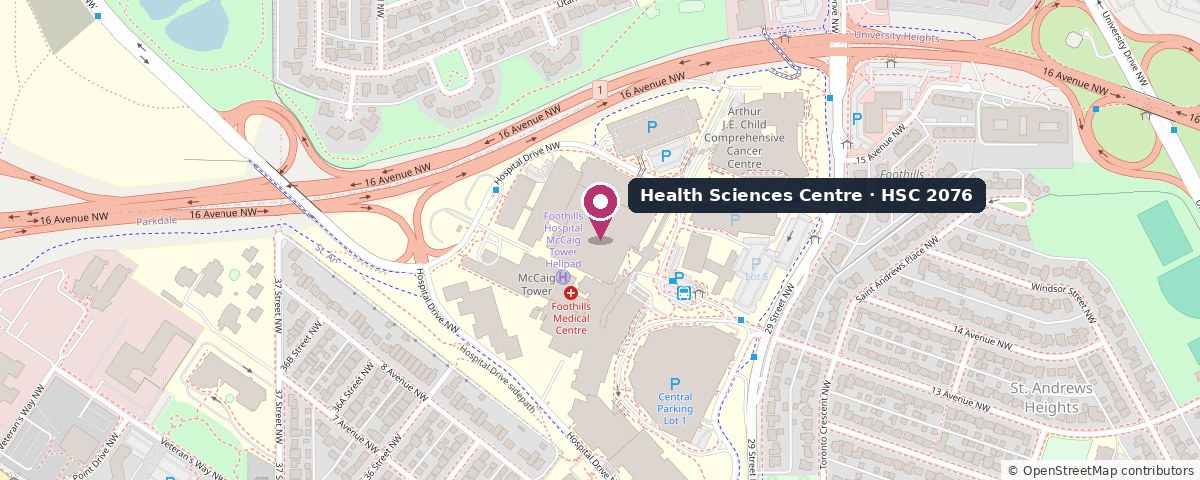
The Akinrinade SPAN Lab
HSC 2076, Health Sciences Centre
3330 Hospital Drive NW
Calgary, AB T2N 4N1